
Ammonia Industrial Refrigeration System Start-Up Procedures
Learn what goes into a safe ammonia refrigeration system start-up, including equipment inspections, safety checks, operating procedures, and monitoring.
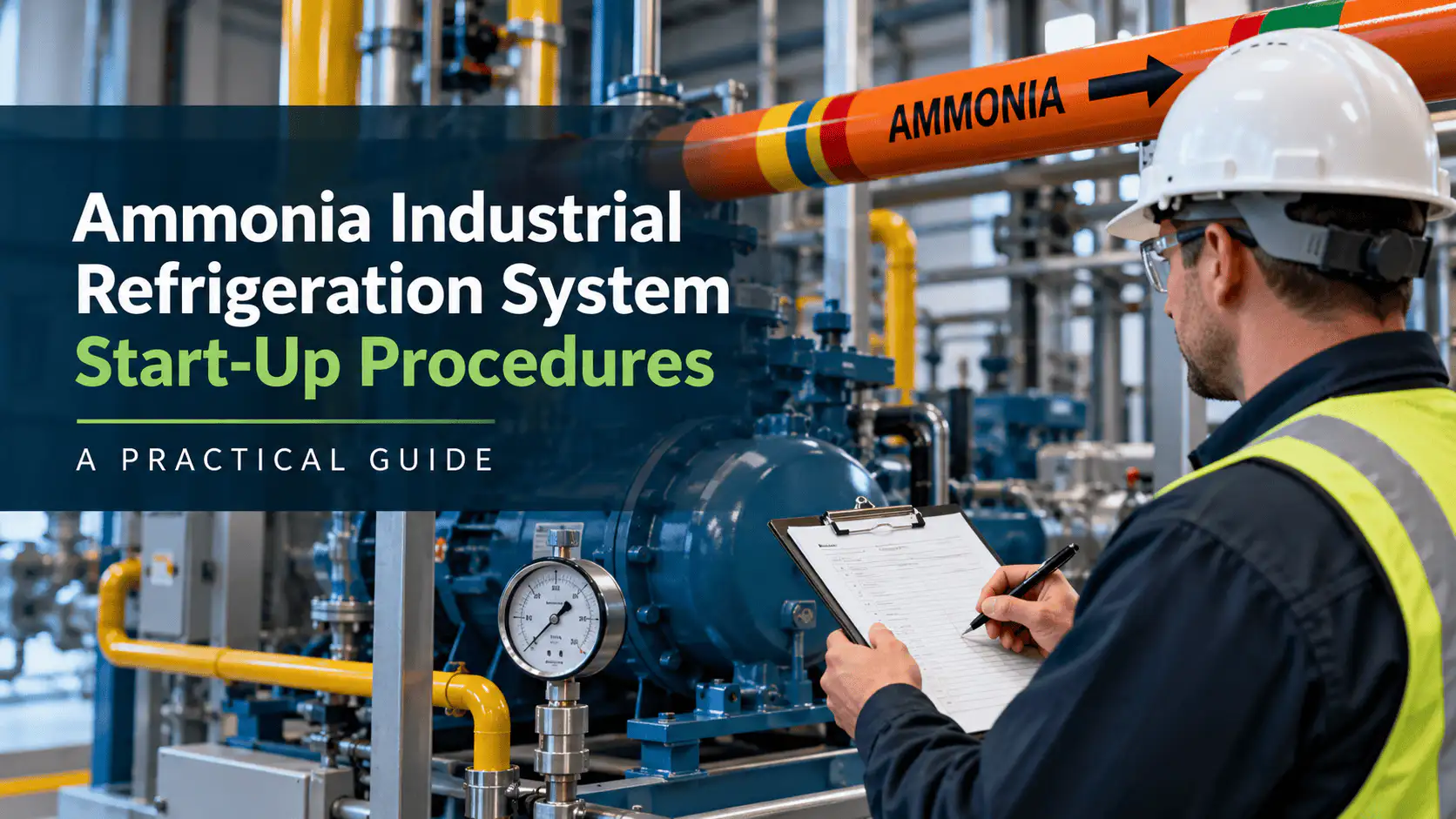
Starting up an industrial ammonia refrigeration system isn't as simple as flipping a switch. Whether you're commissioning a new installation or restarting a system after maintenance, there are important checks to complete before your equipment goes back into operation.
Skipping those checks can mean overlooking equipment problems, abnormal operating conditions, or safety concerns that could affect your facility and the people working in it. For businesses that depend on refrigeration, discovering these issues after start-up is the last thing you want.
The good news is that a well-planned start-up process gives your team an opportunity to identify concerns before normal operation resumes.
In this guide, we'll walk through the main stages of ammonia industrial refrigeration system start-up procedures, what should be reviewed at each stage, and why working with experienced refrigeration professionals matters.
What Is an Industrial Ammonia Refrigeration System Start-Up?
An ammonia refrigeration system start-up is the process of bringing refrigeration equipment into operation using established procedures, equipment checks, and operating controls.
However, not every start-up is the same.
For example, commissioning a newly installed ammonia refrigeration system involves different preparations than restarting an existing system following routine maintenance.
Likewise, a system that has undergone significant equipment changes may require additional reviews before returning to service.
The equipment configuration also makes a difference. Industrial ammonia refrigeration systems can have different evaporator arrangements, refrigerant feed systems, compressors, and control configurations.
If you're unfamiliar with these systems, our guide on what industrial refrigeration is and how it works provides a useful introduction to the equipment and applications involved.
That's why start-up procedures should be specific to the refrigeration system installed at your facility, rather than based on a generic checklist.
For facility owners and maintenance managers, the goal is straightforward: make sure the necessary inspections, safety reviews, and operating preparations have been completed before equipment is placed into service.
Why Proper Ammonia Refrigeration Start-Up Procedures Matter
When your facility depends on refrigeration, getting the system running is a priority. But starting equipment before it's ready can introduce problems that may have been identified during the preparation stage.
A structured start-up process helps address several important areas:
- Equipment condition: Compressors, pumps, piping, valves, and other refrigeration components need to be considered as part of the system's overall readiness.
- Personnel safety: Ammonia presents hazards that require appropriate training, emergency preparedness, and safe operating procedures.
- Operational reliability: Reviewing equipment condition and monitoring operating parameters can help identify developing problems before they lead to equipment failure.
- Documentation: Start-up records provide a reference for future inspections, maintenance, and troubleshooting.
For your business, this means the start-up process should be viewed as more than just getting refrigeration equipment running. It's also an opportunity to understand the condition of the system and address outstanding concerns.
Many of these considerations also apply to ongoing maintenance. Our industrial refrigeration maintenance checklist explores important areas facility managers should keep on their radar.
1. Review the Refrigeration System Before Start-Up
Before any start-up activities begin, it's important to establish whether the refrigeration system is ready to operate.
This starts with reviewing the information available about your equipment.
Review System Drawings and Operating Procedures
Your facility's piping and instrumentation diagrams (P&IDs) provide important information about the refrigeration system, including its piping, vessels, valves, pumps, and other components.
These drawings should reflect the equipment actually installed at your facility.
This becomes particularly important when a refrigeration system has undergone modifications, repairs, or equipment replacements.
If system drawings are outdated, there may be differences between the documented arrangement and the equipment your operators are working with.
Along with P&IDs, the preparation process should include reviewing the applicable manufacturer instructions and facility operating procedures.
These documents help establish how the specific equipment is intended to be operated.
When planning a new system or significant modification, involving professionals familiar with industrial refrigeration system design can help your team address system configuration and documentation requirements during project planning.
Review Maintenance and Inspection Records
Before restarting a system following maintenance, the relevant work records should be reviewed.
For example, if repairs were performed on a compressor, pump, or section of piping, the facility needs to know what work was completed and whether outstanding issues remain.
Inspection findings should also be reviewed, particularly when they relate to equipment condition or potential refrigerant leakage.
The objective is to avoid carrying unresolved maintenance concerns into the start-up process.
2. Complete Pre-Start-Up Safety Checks
Safety is one of the most important parts of preparing an industrial ammonia refrigeration system for operation.
Because ammonia is a hazardous refrigerant, the people involved need to understand the system, the applicable procedures, and how to respond if something goes wrong.
Confirm Safety and Emergency Systems
Before start-up, the facility should review the condition and readiness of its applicable safety arrangements.
These may include:
- Ammonia detection and alarm equipment
- Emergency shutdown arrangements
- Emergency ventilation systems
- Emergency and evacuation procedures
- Required personal protective equipment
- Equipment identification and safety signage
The exact requirements depend on the facility, system configuration, and applicable regulations.
It's also important that personnel know where emergency equipment is located and understand the facility's emergency response procedures.
For additional information about refrigerant-related hazards, read our article on ammonia refrigeration leaks and safety considerations.
Confirm Operators Are Prepared
An industrial refrigeration system should be operated by appropriately trained and qualified personnel.
That includes understanding the relevant operating procedures, equipment controls, and actions required when abnormal conditions occur.
If significant changes have been made to the refrigeration system, personnel may also need to become familiar with updated operating procedures before start-up.
Facility managers reviewing their operational needs can learn more about industrial refrigeration operator services and the role operator coverage plays in refrigeration plant operations.
Address Pre-Start-Up Safety Review Requirements
Some facilities may be subject to formal pre-start-up safety review requirements.
These reviews address matters such as equipment readiness, operating procedures, training, and changes to the process.
The requirements vary by jurisdiction and facility, so the applicable obligations should be established before start-up.
For Ontario facility operators, our guide to TSSA refrigeration regulations in Ontario provides additional background on the provincial regulatory framework.
The key point is that safety-related reviews need to be part of the preparation process, not something addressed after the system is already running.
3. Inspect Major Ammonia Refrigeration System Components
Once the necessary documentation and safety preparations have been reviewed, attention turns to the refrigeration equipment itself.
Different components have different operating requirements, and the appropriate inspections depend on the system design and manufacturer instructions.
Compressors
Compressors are a key part of an industrial refrigeration system, and their condition deserves particular attention.
The preparation process should take into account manufacturer requirements, equipment maintenance history, lubrication systems, and relevant operating controls.
Any outstanding compressor issues should be evaluated before the equipment is returned to operation.
Once running, compressor operating information can also provide useful insight into equipment condition.
If your facility is dealing with aging equipment or recurring compressor concerns, explore Enns' industrial refrigeration compressor rebuild services to learn more about available equipment service options.
Condensers
Condenser equipment should be reviewed as part of the system's overall readiness.
The appropriate checks depend on the type of condenser installed, its controls, and the manufacturer's operating instructions.
Rather than assuming all condensers have the same start-up requirements, the facility should work from the procedures applicable to its equipment.
Evaporators and Refrigerant Feed Equipment
Industrial ammonia refrigeration systems may use different refrigerant feed arrangements, including flooded, pumped-overfeed, and direct-expansion configurations.
These differences matter when developing operating procedures.
A start-up process suitable for one system design should not automatically be applied to another.
The review should account for the installed evaporators, refrigerant feed equipment, and relevant control arrangements.
Piping, Valves, and Pressure Vessels
Piping, valves, and pressure vessels are also important parts of the refrigeration system.
Inspections can help identify concerns such as corrosion, damaged insulation, deteriorated components, and potential leaks.
Valve and piping identification should also correspond with the facility's operating documentation.
If deficiencies are identified, they need to be evaluated and addressed appropriately before the affected equipment is placed into operation.
4. Follow the Approved Ammonia Refrigeration Start-Up Sequence
Once the required preparations have been completed, the system can move toward operational start-up.
This is where equipment-specific procedures become essential.
There is no single operating sequence that should be assumed to apply to every industrial ammonia refrigeration system.
The correct procedure depends on factors such as:
- The installed compressor equipment
- Refrigerant feed configuration
- System piping and valve arrangements
- Equipment controls
- Manufacturer operating requirements
- The reason the system was previously shut down
For example, starting a newly commissioned refrigeration plant is not the same as returning a compressor to service after maintenance.
The operational sequence should therefore come from approved facility procedures and relevant manufacturer documentation.
For facility owners, the important question isn't simply whether the equipment can be started. It's whether the required preparations have been completed and the correct procedures are available for that particular system.
If those procedures are missing, outdated, or inconsistent with the installed equipment, the issue should be resolved before start-up continues.
If you're preparing for a new installation, our article on industrial refrigeration installation projects offers related information to consider when planning refrigeration work.
5. Monitor Refrigeration System Performance During Start-Up
Bringing equipment into operation is only part of the process.
Once the refrigeration system begins operating, monitoring helps determine whether equipment is behaving as expected.
Industrial ammonia refrigeration operating records commonly include information about system pressures, temperatures, lubrication, and equipment vibration.
Monitor Operating Temperatures and Pressures
Operating temperatures and pressures provide useful information about the refrigeration system's condition.
Readings should be evaluated against the requirements and expected operating conditions for the particular equipment.
Unexpected changes or readings outside the appropriate operating range need to be investigated.
Pay Attention to Compressor Lubrication
Lubrication is an important consideration for compressor operation.
Operating records can include lubrication levels and oil pressure, depending on the equipment installed.
Changes in these readings may indicate conditions requiring maintenance attention.
Watch for Abnormal Vibration
Excessive vibration in compressors or pumps can be associated with equipment damage.
Monitoring vibration, where appropriate for the equipment, can help identify developing mechanical problems.
Equipment manufacturers should be consulted regarding suitable vibration monitoring practices and interpretation.
For facilities concerned about rotating equipment condition, learn more about industrial refrigeration vibration analysis services.
Record Operating Information
Documenting what happens during start-up provides useful information for ongoing system operation.
Many ammonia refrigeration facilities maintain operating logs that include equipment readings, start-up activities, shutdowns, and maintenance work.
These records allow operators and maintenance personnel to review how conditions change over time rather than relying on isolated readings.
6. Complete Post-Start-Up Checks and Documentation
After the system has been brought into operation, follow-up checks remain important.
The objective is to establish whether the equipment is operating as intended and whether anything requires further attention.
Review Operating Conditions
Operating parameters should continue to be monitored using the facility's established procedures.
If unusual readings, vibration, alarms, or other concerns appear, those findings should be investigated.
Document Outstanding Issues
Not every issue identified during a start-up review will necessarily involve the same equipment or require the same corrective action.
However, unresolved problems should not simply disappear from the maintenance record.
Documenting deficiencies and required corrective work helps the facility maintain a clearer picture of its refrigeration equipment's condition.
Maintain Accurate Start-Up Records
Start-up documentation should capture relevant inspections, testing, operating readings, and any work completed.
These records can become valuable references for subsequent maintenance or troubleshooting.
For a facility manager, good documentation also makes it easier to understand what happened during the start-up process and what equipment concerns still need attention.
Common Problems to Watch for During Ammonia Refrigeration Start-Up
Even when a refrigeration system has been prepared for operation, abnormalities may become apparent during start-up or initial operation.
Some areas that deserve attention include:
Unusual Compressor Conditions
Changes in lubrication readings, abnormal vibration, or operating parameters outside the expected range may indicate a compressor issue.
These conditions should be assessed according to the equipment's operating instructions rather than ignored.
Unexpected Temperature or Pressure Readings
Readings that differ from the system's expected operating conditions should be reviewed.
The cause cannot be determined from a single symptom alone, particularly when multiple refrigeration components and controls are involved.
When equipment isn't operating as expected, industrial refrigeration troubleshooting services are a relevant option to explore.
Ammonia Leaks
Any suspected ammonia release requires appropriate attention under the facility's emergency and operating procedures.
Personnel should report ammonia odours or suspected leaks promptly. A suspected release should not be treated as a routine troubleshooting task without first addressing the associated safety conditions.
Our article on common causes of refrigerant leaks and repair considerations explores this broader maintenance topic.
Incomplete Maintenance or Inspection Work
Sometimes the concern isn't an operating reading at all.
Missing test records, unresolved inspection findings, or incomplete maintenance documentation can leave important questions about equipment readiness.
Addressing these concerns before normal operation is preferable to discovering them later.
Ammonia Refrigeration Start-Up Checklist for Facility Managers
You don't have to personally carry out every technical inspection to understand whether your refrigeration system is ready for start-up.
As a facility owner or maintenance manager, the following checklist can help guide conversations with your refrigeration team.
This is a management-level documentation checklist, not an equipment operating procedure. The actual start-up must follow the requirements established for your particular refrigeration system.
Frequently Asked Questions About Ammonia Refrigeration Start-Up
What should be checked before starting an ammonia refrigeration system?
Before start-up, the facility should review its operating procedures, equipment documentation, maintenance records, relevant inspection findings, personnel readiness, and applicable safety arrangements.
The specific technical checks must be established from the installed equipment and approved operating procedures.
Can an ammonia refrigeration system be restarted immediately after maintenance?
Restart readiness depends on the work performed and the condition of the affected equipment.
Relevant maintenance, inspection, and testing requirements should be completed before the system is returned to service. Additional reviews may be necessary when equipment or operating procedures have changed.
Who should start an industrial ammonia refrigeration system?
Ammonia refrigeration systems should be operated by appropriately trained and qualified personnel.
Specific qualifications and responsibilities depend on the regulations applicable to the facility and the type of refrigeration plant.
Ontario facility managers can learn more about these considerations in our guide to refrigeration operator coverage in Ontario.
What should be monitored after an ammonia refrigeration system starts?
Monitoring may include system temperatures, pressures, compressor lubrication information, equipment vibration, and other parameters relevant to the installed equipment.
Operating logs should also record start-up activities and abnormal conditions so they can be reviewed and investigated.
Is commissioning the same as restarting a refrigeration system?
No. Commissioning a new installation and restarting an existing system are different activities.
A new system may require installation-related inspections, testing, documentation, and commissioning activities. Restarting an existing system involves the procedures relevant to its operating condition, maintenance history, and reason for shutdown.
Both require appropriate preparation and system-specific instructions.
Make Sure Your Ammonia Refrigeration System Is Ready for Start-Up
When your business depends on industrial refrigeration, you need confidence that your equipment is ready to operate.
A well-planned start-up involves more than starting compressors. It includes reviewing equipment condition, verifying safety arrangements, following the correct operating procedures, and monitoring the system as it returns to service.
Taking these steps helps your facility identify equipment concerns and maintain a clearer understanding of your refrigeration system's operating condition.
Whether you're preparing a new installation for commissioning or planning to restart existing equipment after maintenance, having knowledgeable refrigeration professionals involved can make the process easier to manage.
Learn more about Enns Industrial Refrigeration's industrial ammonia refrigeration services, or reach out to discuss your facility's equipment and operating requirements.
Need Help with Your Industrial Ammonia Refrigeration System?
Have questions about your ammonia refrigeration equipment, maintenance needs, or an upcoming system start-up?
Contact Enns Industrial Refrigeration to discuss your facility's requirements.
Industrial Refrigeration Experts
Trusted by some of Ontario’s finest for over 20 years.
Speak With a Technician Today
